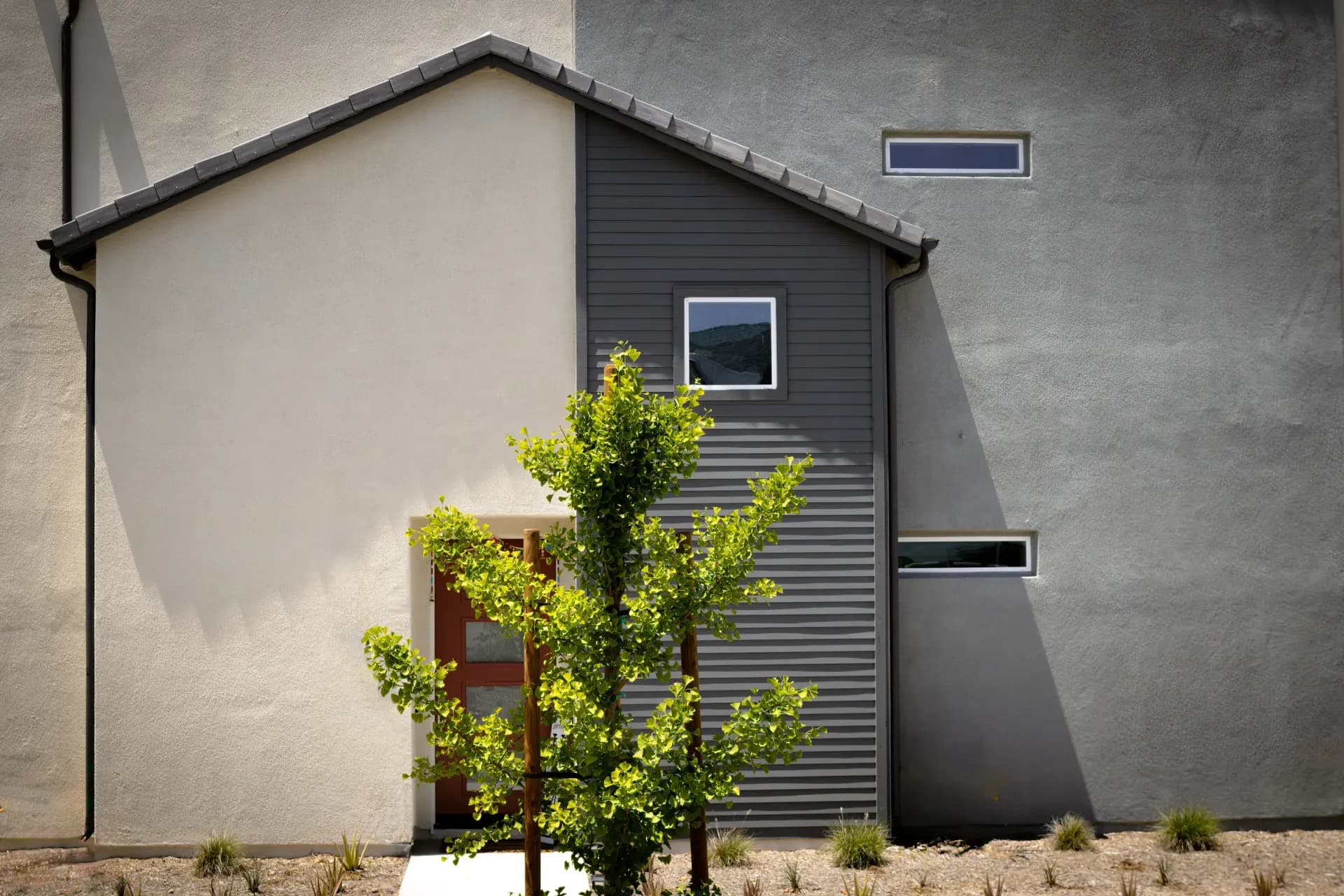
A garden suite is a complete home in the backyard. It is smaller than the main house, but it still has to fit the property, meet the municipality's rules, connect to services, work for the people who will live in it, and be built to last. That is why a successful project starts with the property and the permitting — not the floor plan.
For many homeowners, a garden suite adds flexible space without selling or moving: a home for aging parents or adult children, long-term rental housing, guest space, or future property flexibility. It is also one of the more practical ways to add housing on an existing residential lot.
This guide is written for homeowners planning a garden suite, backyard home, detached secondary suite, coach house, carriage house, or laneway-style home in Victoria, Saanich, Langford, Nanaimo, Vancouver, Burnaby, Richmond, Surrey, Delta, Coquitlam, Langley, Abbotsford, and surrounding BC communities.
Pro Construction Group is a BC Housing Licensed Residential Builder and carries 2-5-10 home warranty coverage for applicable new-home construction projects. We work on residential construction across the Lower Mainland and Vancouver Island, including new homes, garden suites, renovations, kitchens, and bathrooms.
Quick Answer: What should homeowners plan before building a garden suite?
Before building, review the things that decide whether a suite is even possible on your lot: zoning, lot size, setbacks, lot coverage, site access, parking, and utility servicing. Then layer in design, privacy, permits, warranty requirements, and how the suite will actually be used. The earlier these are confirmed, the fewer redesigns, permit delays, and utility surprises you face later. A garden suite should be planned as a real home that fits the property and respects the existing house — not measured only in square footage.
Garden Suite Construction Across the Lower Mainland and Vancouver Island
Garden suite rules and conditions change from one city to the next. A project in Saanich or Victoria can involve different zoning, servicing, and site access than one in Vancouver, Burnaby, Richmond, Surrey, Delta, Coquitlam, Langley, Abbotsford, or Nanaimo. Every municipality has its own terminology, application process, and site requirements, so the property should always be reviewed against the rules that apply to that specific address.
On Vancouver Island, garden suites are common in Victoria, Saanich, Langford, Nanaimo, and nearby communities where homeowners want more flexible housing on existing lots. In the Lower Mainland, garden suites, coach houses, and laneway-style homes are often used for family housing, rental income, and aging-in-place planning. In every case, the construction plan should be built around the actual site rather than a generic small-home layout.
What Makes Garden Suite Construction Different?
A garden suite is a full residential building. Even at a small size, it needs proper structure, foundation, building envelope, insulation, ventilation, services, finishes, and inspections — the same construction discipline as any home.
The real difference is where it gets built. A garden suite usually goes up behind or beside a home that people are still living in. That makes access, staging, deliveries, noise, parking, privacy, and site protection central to the project, not afterthoughts. A good garden suite project starts with the property and the access, then moves to the design.
Step 1: Confirm Whether the Property Can Support a Garden Suite
Not every lot can take a garden suite. Limits can come from zoning, lot size, setbacks, lot coverage, access, servicing, protected trees, slopes, easements, drainage, or existing structures. Before going far into design, it is worth reviewing the lot dimensions, where the existing house sits, the usable backyard area, the route to the backyard, and the municipal requirements that apply. This early check avoids designing a suite the property cannot realistically support.
Step 2: Understand Local Zoning and Provincial Housing Rules
Garden suite rules are mostly local — what Saanich allows may differ from Victoria, Langford, Vancouver, Surrey, or Delta. Municipal rules typically govern permitted use, building size and height, setbacks, lot coverage, parking, design guidelines, tree protection, servicing, and the permit and inspection process.
Provincial housing policy also matters. British Columbia's small-scale multi-unit housing changes (under Bill 44) require many municipalities to allow secondary suites and detached accessory units on lots that were previously single-family, and several jurisdictions have reduced or removed older owner-occupancy requirements. These changes can expand what is possible — but the specifics still depend on your municipality and your lot. Confirm current zoning, setbacks, lot coverage, servicing, and permit requirements with your local city before committing to a design. A contractor does not replace the municipality, designer, engineer, or planner; our role is to build from approved drawings, coordinate the trades, and flag practical construction issues early.
Step 3: Build With a BC Housing Licensed Residential Builder
A standalone garden suite or laneway-style home may be treated as a new home under BC's Homeowner Protection Act, which makes builder licensing and home warranty insurance part of the planning process.
Pro Construction Group is a BC Housing Licensed Residential Builder and carries 2-5-10 home warranty coverage for applicable new-home construction projects. BC's 2-5-10 coverage generally means 2 years on materials and labour, 5 years on the building envelope, and 10 years on structural defects — subject to the warranty provider and policy terms. Homeowners should review their warranty documents and confirm project-specific requirements before construction begins. The right builder helps coordinate the construction scope, documentation, trades, inspections, and warranty-related steps that apply to the project.
Step 4: Plan the Budget, Funding, and Incentives Realistically
A garden suite budget covers far more than the building. Design and permit drawings, municipal fees, utility connections, excavation and site prep, foundation, framing and envelope, mechanical and electrical, kitchen and bathroom, interior and exterior finishes, and landscaping repair all factor in. Because servicing and site access vary so much by property, be cautious about simple square-foot pricing before the site conditions are understood — a realistic number comes from the drawings, the site review, and the utility plan.
Funding and incentive programs change. BC Housing's Secondary Suite Incentive Program stopped accepting new applications as of March 31, 2025, though existing pre-approvals are honoured. Always confirm current funding, rebate, financing, tax, and rental details directly with BC Housing, the Province, your municipality, your lender, and your accountant.
Step 5: Decide How the Suite Will Be Used — Including Aging-in-Place
The intended use shapes almost every decision. A suite for aging parents calls for different layout, access, and bathroom planning than a rental unit or a guest house. Before design, think through who will live there, whether it is for family or rental, how many bedrooms are needed, how important single-level living is, and how much storage and outdoor space the space requires.
If the suite may be used by aging parents or someone with mobility needs, plan for it up front — single-level living, wider door clearances, a low- or no-step entry, a walk-in shower, blocking in bathroom walls for future grab bars, good lighting, and durable flooring. These choices are far easier and cheaper to build in now than to retrofit later.
Step 6: Plan Site Access and Construction on an Occupied Property
Site access is the biggest operational difference between a garden suite and a standard new home. Materials, equipment, trades, and deliveries usually have to reach the backyard while protecting the existing home, driveway, landscaping, fences, and neighbours. Early on, confirm whether there is safe side-yard access, whether a fence needs temporary removal, where materials and bins can be staged, and how equipment and overhead wires or tight clearances will be handled.
Because most garden suites are built while the family still lives in the main house, the plan should also account for temporary safety fencing, protection of driveways, walkways and landscaping, dust and debris control, neighbour-aware scheduling, and daily cleanup. Good access planning reduces cost, delays, and disruption — and respects that the property is already someone's home.
Step 7: Review Utility Connections Early
A garden suite needs its own services, and utility planning can drive the design, budget, schedule, and permit process. Depending on the property, the project may require water, sanitary sewer, stormwater management, electrical service (sometimes a panel or service upgrade to power both homes), heating and ventilation, and drainage. Existing connection points are rarely conveniently located, so a suite at the back of the lot can mean trenching and careful coordination around landscaping, driveways, and existing structures. Reviewed late, utility work becomes one of the more complex and costly parts of the project.
Step 8: Design a Small Home That Actually Works
Good small-home design is about livability, not just maximizing square footage. The layout has to work for cooking, sleeping, storage, laundry, bathrooms, natural light, and furniture — while protecting privacy from both the main house and the neighbours. Compact mechanical choices, such as ductless heat pumps and heat-recovery ventilators, save valuable floor space.
Privacy and site planning matter because the suite sits inside an established neighbourhood. Thoughtful window placement, entry orientation, pathways, fencing, and landscaping help the suite work with the main home and the surrounding yards rather than feeling dropped into the backyard. In a small home, details like door swings, appliance sizing, and hallway widths have an outsized impact — the goal is a real home, not just a legal unit.
Step 9: Confirm Foundation, Structure, and Building Envelope Details
A garden suite needs the same construction discipline as any home: foundation and grading, drainage, framing, roof, windows and doors, insulation, air sealing, exterior cladding, and ventilation. Because the building is small, poor detailing shows more, and a new detached suite may also need to meet local energy-efficiency requirements such as the BC Energy Step Code — which affects insulation, windows, air sealing, ventilation, and heating. A compact suite still has to be dry, comfortable, efficient, and built for the long term.
Step 10: Plan the Kitchen, Bathroom, and Interior Finishes
The kitchen and bathroom are the hardest-working spaces in a small home and involve several trades — plumbing, electrical, cabinetry, counters, tile, flooring, lighting, and ventilation. Plan the kitchen layout around real appliance sizes and storage, and the bathroom around proper waterproofing, ventilation, and durable finishes. In a small suite, efficient, well-chosen finishes make the space feel larger and cleaner without feeling temporary.
Step 11: Understand the Terminology
Municipalities use different names for similar buildings: garden suite, laneway home, coach house, carriage house, detached secondary suite, backyard home, or accessory dwelling unit. In general, a garden suite is a detached, ground-level dwelling in the rear yard; a laneway home relates to a rear lane or alley; and a coach or carriage house often refers to a detached suite, sometimes over a garage. The exact definitions, size limits, parking, and approval process depend on the municipality, so confirm the local terminology before finalizing a design.
Common Mistakes in Garden Suite Projects
Most garden suite problems start before construction does. The most common ones:
- Designing before confirming the municipality's setbacks, height, and tree-protection rules
- Underestimating backyard site access and excavation/site work
- Leaving utility connections unreviewed until late in the process
- Choosing a layout that looks good on paper but does not function day to day
- Overlooking privacy, neighbour impact, parking, and storage
- Treating the suite like a shed or simple addition instead of a regulated home
- Starting without a clear understanding of permits, inspections, builder licensing, and warranty requirements
Timeline and Budget Factors
Timelines and budgets vary with the municipality, property, drawings, permits, site access, utilities, foundation, design complexity, finishes, trade availability, and inspections. The project generally runs in two phases — municipal/permit approvals, then construction, trade sequencing, and final inspections. Schedules are most often affected by municipal review, permit requirements, design revisions, site access, excavation, utility connections, weather, and inspection scheduling. Budgets are driven by lot condition, excavation and utility trenching, foundation type, size and design complexity, kitchen and bathroom scope, mechanical and electrical requirements, finishes, landscaping, and warranty and professional fees. A realistic budget starts with a realistic scope.
How Pro Construction Group Approaches Garden Suite Projects
Pro Construction Group treats a garden suite as a small-home build that needs proper planning, coordination, and warranty-aware construction management. As a BC Housing Licensed Residential Builder carrying 2-5-10 home warranty coverage for applicable new-home projects, our role is to organize the construction scope, coordinate the trades, and build a finished suite that works for the property, the homeowner, and the intended use. That means paying close attention to site access, utility planning, foundation and envelope, kitchen and bathroom construction, mechanical and electrical coordination, privacy and outdoor access, trade sequencing, warranty-aware documentation, and clear communication. Every project is different, so the right approach depends on the property, drawings, municipal requirements, site conditions, finishes, and homeowner goals.
Related Residential Construction Services
A garden suite is smaller than a full new home, but it still needs careful coordination between design, site work, utilities, structure, finishes, inspections, warranty requirements, and trade scheduling.
Municipal and Provincial Garden Suite Resources
Garden suite rules are set locally and provincial programs change over time. Always confirm current requirements with your municipality, designer, planner, or BC Housing before making design, budget, or construction decisions. Useful starting points:
- City of Delta — Coach Houses and Garden Suites
- BC Housing — Secondary Suite Incentive Program
- Province of BC — Small-Scale Multi-Unit Housing
- BC Energy Step Code
- BC Housing — Home Warranty Insurance
Garden Suite Construction FAQs
Do you build garden suites outside Victoria?
Yes. Pro Construction Group works on residential construction across the Lower Mainland and Vancouver Island, including Victoria, Saanich, Langford, Nanaimo, Vancouver, Burnaby, Richmond, Surrey, Delta, Coquitlam, Langley, Abbotsford, and surrounding communities. Each project is planned around the property, municipal requirements, drawings, utilities, access, warranty requirements, and homeowner goals.
Is Pro Construction Group a licensed residential builder?
Yes. Pro Construction Group is a BC Housing Licensed Residential Builder and carries 2-5-10 home warranty coverage for applicable new-home construction projects. Confirm the warranty details and registration requirements that apply to your specific project before construction begins.
Can every property have a garden suite?
No. Suitability depends on the municipality, zoning, lot size, setbacks, lot coverage, access, servicing, trees, easements, and other property-specific conditions. The property should be reviewed before design or construction decisions are finalized.
Are garden suites affected by BC's small-scale housing changes?
Provincial changes can expand where secondary suites and detached accessory units are allowed, but the exact rules still depend on your lot and municipality. Confirm current zoning, setbacks, lot coverage, servicing, and permit requirements with your local city before making design decisions.
Is the BC Housing Secondary Suite Incentive Program still available?
BC Housing states that as of March 31, 2025, it is no longer accepting new applications to the Secondary Suite Incentive Program; existing pre-approvals and SSIP mortgages are honoured. Confirm current program status and eligibility directly with BC Housing or the Province.
Can a garden suite be used for rental income?
Many homeowners use garden suites for long-term rental or family housing. Short-term and vacation-rental rules vary and are restricted in many BC municipalities, so confirm occupancy and rental rules with your local authority.
What is 2-5-10 home warranty insurance?
BC's 2-5-10 home warranty generally provides 2 years of materials and labour coverage, 5 years of building-envelope coverage, and 10 years of structural-defect coverage, subject to the provider's policy terms, limits, and exclusions.
How early should I involve a contractor?
Early — ideally before the design is finalized. Early input helps identify site access issues, utility challenges, construction staging, budget factors, and buildability concerns.
Do you handle zoning approvals or municipal decisions?
No. Zoning approvals and municipal decisions are handled through the municipality and the professionals involved in the project. Pro Construction Group focuses on the construction scope, coordination, trade management, and buildout.
Planning a Garden Suite in Victoria, Saanich, Langford, Nanaimo, Vancouver, or the Lower Mainland?
If you are planning a garden suite, backyard home, detached secondary suite, coach house, carriage house, or laneway-style home in Victoria, Saanich, Langford, Nanaimo, Vancouver, Burnaby, Richmond, Surrey, Delta, Coquitlam, Langley, Abbotsford, the Lower Mainland, or Vancouver Island, Pro Construction Group can help review the construction scope, coordinate trades, and build a finished residential space around your property and goals.
Request an estimate or speak with our team about your garden suite construction project.