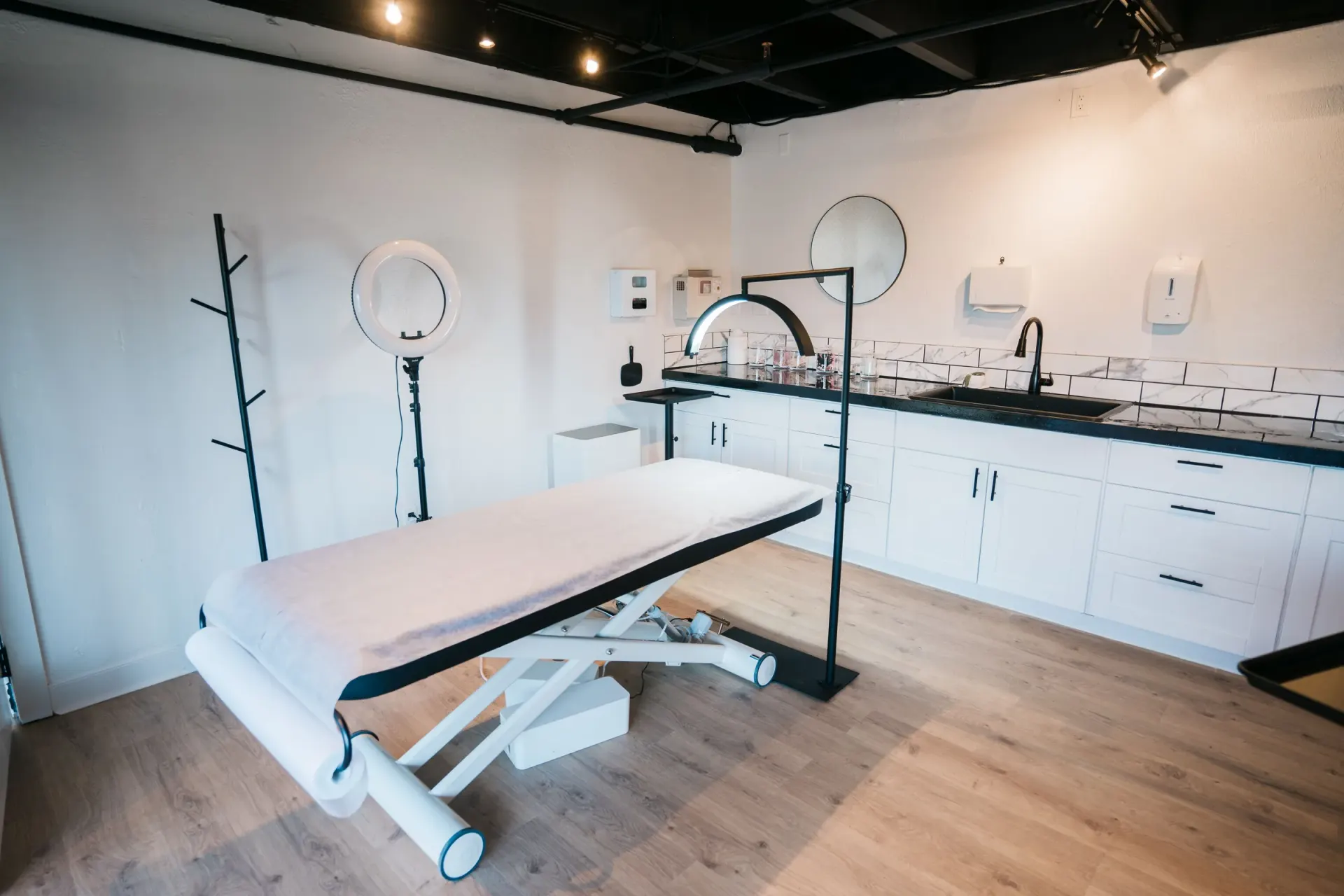
A med spa buildout is not the same as a standard beauty salon, retail store, or office renovation. A medical aesthetics clinic needs to feel polished and client-focused, but it also has to function properly for treatment rooms, staff workflow, equipment, privacy, storage, lighting, cleaning, consultation areas, and day-to-day operations.
The space has to support both the client experience and the clinical side of the business. That means the construction plan should account for the existing commercial unit, landlord requirements, drawings, permit requirements, mechanical, electrical, plumbing, lighting, millwork, finishes, and the trades involved in the project.
This guide is written for med spa owners, medical aesthetics providers, injectors, laser clinic operators, skin clinics, wellness businesses, commercial tenants, landlords, and franchise groups planning a med spa buildout in Vancouver, Burnaby, Richmond, Surrey, Langley, Abbotsford, Coquitlam, Victoria, Nanaimo, Kelowna, Calgary, Edmonton, or surrounding communities.
Pro Construction Group works on commercial construction and tenant improvement projects, including healthcare, medical, retail, office, restaurant, and specialty commercial spaces. Med spa construction sits between healthcare, wellness, retail, and hospitality design, so the details matter.
Quick Answer: What should med spa owners plan before construction?
Before starting a med spa buildout, owners should confirm the clinic layout, treatment room count, reception area, consultation rooms, staff spaces, storage, plumbing, electrical, mechanical needs, equipment requirements, lighting, millwork, finishes, landlord conditions, permits, inspections, and construction sequencing.
A med spa should not be planned only around how it looks on opening day. The space needs to work for consultations, treatments, staff movement, equipment placement, cleaning, client comfort, privacy, storage, and future business growth.
Med Spa Buildouts in BC and Alberta
Medical aesthetics clinics are opening in many growing markets across Western Canada. A med spa buildout in Vancouver may involve different building access, parking, delivery, landlord, and inspection considerations than a project in Victoria, Nanaimo, Kelowna, Calgary, or Edmonton.
In dense urban areas, construction planning may need to account for limited loading access, elevator scheduling, neighbouring tenants, working-hour restrictions, noise control, and tight construction sequencing. In suburban plazas, medical buildings, and standalone commercial units, the focus may shift toward client parking, signage, visibility, access, utility locations, and efficient trade coordination.
In markets such as Victoria, Nanaimo, and Kelowna, med spa construction may involve regional trade scheduling, delivery planning, and site-specific coordination. In Calgary and Edmonton, larger commercial units, medical-office settings, retail plazas, and wellness-focused developments can create different planning requirements.
Whether the clinic is located in a plaza, mall, medical building, mixed-use property, office building, or standalone commercial space, the construction plan should be built around the actual site, the business model, and the way the clinic will operate.
What Makes Med Spa Construction Different?
Med spa construction combines healthcare-style planning, retail presentation, hospitality design, and commercial tenant improvement work.
A med spa or medical aesthetics clinic may include:
- Reception and check-in area
- Waiting lounge
- Consultation room
- Laser treatment rooms
- Injectable treatment rooms
- Facial or skin treatment rooms
- Staff room
- Storage and product inventory areas
- Clean utility or support areas
- Laundry or cleaning support area where needed
- Accessible washroom
- Retail product display
- Commercial millwork and counters
- Durable flooring and finishes
- Lighting for both ambience and treatment function
- Plumbing, electrical, and mechanical coordination
- Landlord, municipal, and inspection requirements
The challenge is that the clinic needs to look refined while still operating like a practical treatment environment. A beautiful space that does not support workflow, privacy, equipment needs, and durability can become frustrating after opening.
A strong buildout starts with the services the clinic will provide and the way the team will use the space every day.
Step 1: Plan the Med Spa Layout Around Services and Workflow
The layout is one of the most important decisions in a med spa construction project.
Before construction begins, owners should map out the services being offered, the number of treatment rooms needed, staff workflow, client movement, privacy requirements, equipment needs, storage, and future growth.
Important layout areas include:
- Main entrance
- Reception desk
- Waiting lounge
- Retail product display
- Consultation room
- Laser treatment rooms
- Injectable treatment rooms
- Facial or skin treatment rooms
- Staff room
- Storage area
- Cleaning or support area
- Washroom
- Mechanical or utility access
- Back-of-house circulation
The layout should feel calm and premium for clients, but it also has to work for staff. Treatment rooms need the right clearances, lighting, storage, power locations, and practical access. Reception needs to support check-in, check-out, product sales, scheduling, and privacy.
Poor layout planning can create problems that are hard to fix after construction begins. If treatment room locations, plumbing, electrical, or millwork change late, multiple trades may be affected.
Step 2: Decide Which Treatments the Space Must Support
A med spa buildout should be planned around the actual services the business will offer.
A clinic focused on injectables may have different construction needs than a laser clinic, skin clinic, body treatment clinic, or full-service medical aesthetics practice. Treatment mix affects room sizes, electrical needs, plumbing, lighting, ventilation, storage, privacy, and equipment planning.
Before construction starts, owners should confirm whether the clinic will include:
- Laser treatments
- Injectables
- Skin treatments
- Facials
- Body contouring
- IV therapy or wellness services
- Consultation appointments
- Retail skincare sales
- Photography or assessment areas
- Staff training or treatment demonstration areas
Equipment requirements should be reviewed early. Some devices may need dedicated electrical, ventilation, clearance, storage, or installation considerations. Late equipment decisions can affect wall layouts, power locations, cabinetry, and room function.
Step 3: Review the Existing Site Conditions
Every med spa buildout starts with the commercial unit itself.
A space inside a medical building, plaza, mall, office building, mixed-use property, or standalone location will each have different construction constraints. Before construction begins, the site should be reviewed for practical construction conditions.
Key site items to review include:
- Existing walls and partitions
- Ceiling height
- Slab and flooring condition
- Electrical capacity
- Panel location
- Plumbing availability
- Drain locations
- HVAC and mechanical layout
- Existing washrooms
- Lighting conditions
- Fire and life-safety considerations
- Accessibility requirements
- Landlord work letters or tenant criteria
- Loading and delivery access
- Elevator or hallway access
- Hours when construction work is allowed
- Noise, dust, or common-area restrictions
This step helps define what is realistic before drawings, budgets, and schedules are finalized. It also helps identify items that may require consultant input, landlord approval, or trade review.
Step 4: Coordinate Drawings, Permits, and Landlord Requirements
A med spa tenant improvement often involves more than the owner and contractor.
Depending on the scope, the project may involve:
- Clinic owner or operator
- Designer or architect
- Engineer or code consultant where required
- Landlord or property manager
- Municipality
- Building inspector
- Electrical contractor
- Plumbing contractor
- Mechanical contractor
- Millwork supplier
- Flooring and finishing trades
- Lighting supplier
- Signage provider
- Equipment vendors
- IT, data, and security providers
The construction team should understand what drawings are approved, what the landlord requires, what permits are needed, and what equipment is being installed.
Starting construction before the drawings, permit path, landlord requirements, and equipment needs are clear can lead to delays, rework, and unnecessary cost.
For clinics in medical buildings, malls, plazas, and mixed-use properties, landlord requirements may affect working hours, deliveries, insurance documentation, waste removal, fire protection, noise, material handling, and common-area protection.
Step 5: Plan Treatment Rooms Properly
Treatment rooms are the core of a med spa.
Each room should be planned around the service being performed, the equipment being used, staff movement, client comfort, storage, lighting, electrical locations, cleaning needs, and privacy.
Important treatment room planning items include:
- Room size and clearances
- Treatment bed or chair location
- Equipment placement
- Electrical outlets and dedicated circuits where needed
- Lighting control
- Millwork and counter space
- Sink or plumbing needs where required
- Storage for supplies
- Wall finishes
- Flooring durability
- Door swing and privacy
- Sound transfer
- Staff circulation
- Client comfort
A treatment room should not feel cramped or improvised. The room should allow staff to work comfortably while giving clients a professional and private experience.
Step 6: Design Reception, Waiting, and Retail Areas Carefully
The front of the clinic sets the tone for the business.
Med spa reception areas need to feel polished, welcoming, and organized. They also need to work for scheduling, check-in, check-out, product sales, privacy, and staff workflow.
Important front-of-house planning items include:
- Reception desk location
- Waiting lounge layout
- Retail skincare display
- Lighting and ambience
- Privacy at check-in and payment
- Product storage
- Client circulation
- Branding and signage
- Durable flooring
- Wall finishes
- Accessibility
- Sightlines into treatment areas
The reception area should support the brand without sacrificing function. A space can look impressive in photos but still create workflow issues if the desk, storage, lighting, and circulation are not planned properly.
Step 7: Confirm Plumbing, Electrical, Mechanical, and Lighting Needs
Med spa construction can involve more technical coordination than a typical retail or office renovation.
Plumbing, electrical, mechanical, and lighting decisions should be reviewed early because they affect treatment rooms, washrooms, staff areas, equipment locations, and overall clinic function.
Items to confirm early include:
- Electrical capacity
- Dedicated circuits for equipment where required
- Outlet locations
- Data and low-voltage needs
- Plumbing locations
- Sink requirements
- HVAC and ventilation needs
- Lighting layout
- Dimmable or adjustable lighting where appropriate
- Task lighting in treatment rooms
- Reception and retail lighting
- Washroom requirements
- Mechanical access
If these items are not coordinated before construction starts, the project can face change orders, delays, and rework.
Step 8: Confirm Millwork, Flooring, Lighting, and Finishes Early
Med spa finishes need to support the brand, client experience, cleaning, durability, and long-term maintenance.
Millwork, flooring, lighting, doors, hardware, counters, wall finishes, and ceiling details all affect how the clinic looks and functions. These selections should be made early enough to avoid delays.
Important items to confirm include:
- Reception desk millwork
- Retail display shelving
- Treatment room cabinetry
- Consultation room finishes
- Storage cabinetry
- Staff room millwork
- Durable flooring
- Wall protection where needed
- Lighting plan
- Paint and finish selections
- Door and hardware requirements
- Signage and branding details
A med spa should feel elevated, but the finishes still need to hold up to commercial use. The best spaces balance design, durability, maintenance, and daily workflow.
Step 9: Coordinate Trades Before Construction Starts
A med spa buildout usually involves several trades working in sequence.
Depending on the scope, the project may include:
- Demolition
- Framing
- Drywall
- Electrical
- Plumbing
- HVAC and mechanical
- Fire and life-safety coordination
- Flooring
- Painting
- Millwork
- Lighting
- Door and hardware installation
- Equipment coordination
- Data and low-voltage coordination
- Signage coordination
- Final deficiencies
Trade coordination is where many commercial projects succeed or struggle. If one trade is delayed or working from outdated information, the impact can move through the rest of the schedule.
A clear scope, coordinated drawings, early equipment information, confirmed selections, and regular communication help keep the work organized.
Common Mistakes in Med Spa Buildouts
Many med spa construction problems begin before construction starts.
Common mistakes include:
- Choosing a space before reviewing electrical, plumbing, and mechanical conditions
- Planning the clinic only around appearance
- Not confirming treatment equipment requirements early enough
- Waiting too long to finalize millwork
- Underestimating landlord requirements
- Not planning treatment room workflow in enough detail
- Creating rooms that are too small for the intended treatments
- Choosing finishes that look good but do not hold up commercially
- Not coordinating lighting with treatment rooms and retail areas
- Leaving signage and branding details too late
- Starting without a clear understanding of permits and inspections
- Changing layout after rough-ins have already started
The best way to avoid these issues is to involve the right construction, design, equipment, and trade team early.
Timeline and Budget Factors
Med spa construction timelines and budgets vary depending on the site, drawings, permit requirements, landlord conditions, treatment room count, equipment requirements, finishes, millwork, trade availability, and inspection sequence.
Items that can affect timeline include:
- Permit review
- Landlord approval
- Design changes
- Equipment coordination
- Millwork lead times
- Fixture and finish availability
- Electrical or mechanical upgrades
- Plumbing changes
- Inspection scheduling
- Working-hour restrictions
- Building access limitations
- Change orders after construction starts
Items that can affect budget include:
- Existing site condition
- Demolition requirements
- Plumbing scope
- Electrical scope
- Mechanical and HVAC requirements
- Treatment room count
- Equipment requirements
- Millwork complexity
- Flooring and finish selections
- Lighting package
- Accessibility upgrades
- Landlord requirements
- After-hours work
- Phasing or accelerated schedule needs
A realistic budget starts with a clear scope. The more complete the drawings, equipment information, selections, and site review are, the easier it is to price and plan the project properly.
How Pro Construction Group Approaches Med Spa Buildouts
Pro Construction Group approaches med spa construction as a commercial buildout that needs to support client experience, staff workflow, treatment rooms, equipment, privacy, and long-term operations.
Our role is to help organize the construction scope, coordinate trades, and deliver a professional space that supports both the brand and the practical needs of the clinic.
For med spa and medical aesthetics projects, that means paying attention to:
- Client flow
- Reception and waiting area layout
- Treatment room planning
- Consultation room coordination
- Equipment requirements
- Plumbing and electrical coordination
- Mechanical coordination
- Durable commercial finishes
- Millwork coordination
- Lighting planning
- Landlord and site requirements
- Trade sequencing
- Communication with owners and project stakeholders
Every med spa project is different. The right construction approach depends on the unit, drawings, approvals, equipment, finishes, and business requirements.
Related Commercial Construction Services
Med spa construction often overlaps with healthcare, retail, office, and commercial tenant improvement services.
Related services include:
- Medical clinic construction
- Healthcare clinic construction
- Tenant improvements
- Commercial construction
- Retail store construction
- Office construction
- Pharmacy construction
A med spa buildout may share planning considerations with healthcare clinics, pharmacies, dental offices, professional offices, wellness spaces, and retail-style commercial interiors. That is why layout, workflow, finishes, equipment, and trade coordination matter from the beginning.
Med Spa Construction FAQs
Do you work on med spa buildouts outside Vancouver?
Yes. Pro Construction Group works on commercial construction and tenant improvement projects across the Lower Mainland, Vancouver Island, and selected Western Canadian markets, including Vancouver, Burnaby, Richmond, Surrey, Langley, Abbotsford, Coquitlam, Victoria, Nanaimo, Kelowna, Calgary, Edmonton, and surrounding communities. Each med spa project is planned around the site, drawings, landlord requirements, permits, equipment, and operational needs of the clinic.
How early should I involve a contractor in a med spa buildout?
It is best to involve a contractor before major construction decisions are finalized. Early input can help identify site conditions, electrical and plumbing needs, treatment room requirements, equipment coordination issues, landlord constraints, millwork details, and construction sequencing concerns.
What makes med spa construction different from a regular salon or retail renovation?
A med spa has treatment rooms, equipment requirements, privacy needs, lighting requirements, staff workflow, client flow, storage, cleaning considerations, durable finishes, and commercial code requirements. It needs more technical planning than a standard salon, office, or retail renovation.
Can a med spa be built inside a plaza, mall, medical building, or office building?
Yes, but each location type has different requirements. Plaza, mall, medical-building, and office-building projects may involve landlord approvals, access rules, delivery restrictions, working-hour limits, common-area protection, and specific construction requirements.
What affects the cost of med spa construction?
Cost depends on the existing condition of the space, number of treatment rooms, plumbing, electrical, mechanical requirements, equipment coordination, millwork, finishes, lighting, accessibility, landlord requirements, and the overall scope of work.
What affects the timeline of a med spa buildout?
Timeline depends on drawings, permits, landlord approval, site conditions, equipment coordination, millwork lead times, trade scheduling, inspections, and finish selections. Late changes to layout, equipment, millwork, or materials can affect the schedule.
Do you handle medical aesthetics licensing or professional regulatory approvals?
No. Medical aesthetics licensing, professional regulatory requirements, and treatment-related approvals are handled by the clinic owner and the appropriate professionals. Pro Construction Group focuses on the construction scope, coordination, buildout, and commercial finishing work.
Planning a Med Spa Buildout in Vancouver, Victoria, Nanaimo, Kelowna, Calgary, or Edmonton?
If you are planning a med spa buildout, renovation, relocation, or tenant improvement in Vancouver, Burnaby, Richmond, Surrey, Langley, Abbotsford, Coquitlam, Victoria, Nanaimo, Kelowna, Calgary, Edmonton, the Lower Mainland, Vancouver Island, or Western Canada, Pro Construction Group can help review the construction scope, coordinate trades, and build a professional commercial space around your operational needs.
Request an estimate or speak with our team about your med spa construction project.